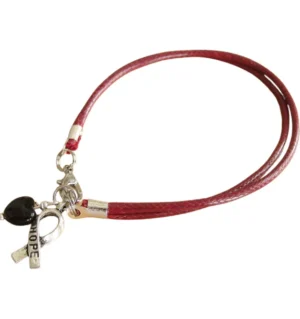
Many people have never heard of APS until someone brings it up. That is why awareness matters. A simple bracelet, pin, or band can make someone ask, “What does that stand for?” That one question can lead to a conversation, a shared resource, or a better understanding of antiphospholipid syndrome.
The APS shop supports this kind of visibility by offering awareness items that people can wear, share, or use at events. This blog looks at how those small products can support patient education and research through awareness and fundraising.
Key Takeaways
- Awareness products help make APS more recognizable.
- Wearable items can encourage respectful health conversations.
- Merchandise offers an accessible way to support APSFA.
- Fundraising helps maintain patient education and outreach.
- Designated campaigns can contribute to APS research.
How APS Shop Items Create Awareness and Community Support
1. Awareness Bands, Pins, and Bracelets Start Conversations
Wearable products provide a personal way to acknowledge APS. Our shop includes an awareness hope charm bracelet, an awareness ribbon enamel pin, burgundy ribbon bracelets, necklaces, wristbands, and lapel pins.
When someone asks about one of these items, the wearer can briefly explain what APS stands for or why the condition matters to their family. The exchange can remain simple and respectful without requiring anyone to share private medical details.
These products may also serve as signs of encouragement. A patient can choose an item that represents hope, while friends and relatives can wear one in solidarity. In this setting, charity merchandise gives emotional support a visible symbol.
2. Everyday Products Make APS More Visible
Products from the APS shop can appear at schools, workplaces, conferences, health fairs, community walks, and awareness campaigns. Their role in these settings is broader than a one-to-one conversation.
A lanyard worn at work may help colleagues recognize the APS ribbon, while a bandanna or lapel pin at a public event can place APS alongside other health causes. Repeated exposure can make the condition’s name and symbols easier to identify over time.
This public presence supports the APS Foundation of America’s goal of bringing national attention to antiphospholipid syndrome. It gives APS a clearer place in community health discussions without requiring every display to deliver a detailed medical message.
3. Cookie Cutters Support Creative Fundraising
The awareness ribbon cookie cutter gives families and volunteers a practical tool for bake sales, school projects, awareness tables, family gatherings, and nonprofit events.
Organizers can package ribbon-shaped cookies with a short fact card, display the APSFA website beside the table, or invite visitors to contribute. The activity remains familiar and approachable while giving the fundraiser a clear purpose.
These charity fundraiser events can be organized by schools, workplaces, families, or local groups. They are especially useful for smaller communities because they do not require a large venue, complicated planning, or a professional events team.
4. Small Purchases Can Encourage Bigger Engagement
Buying an awareness item is a manageable first step for someone new to APS advocacy. It allows the person to participate without committing to a major event or large donation.
A shopper may later choose to join a Facebook fundraiser, use a purchase-rounding program, volunteer a professional skill, or support one of APSFA’s affiliated fundraising stores. The foundation lists several additional channels, including CafePress, Shopify, Zazzle, SparkGood, Amazon, and Facebook.
This range of options allows people to stay involved according to their time, budget, and interests. A bracelet or pin may be the first action, while later participation can take a completely different form.
How APS Shop Purchases Connect to Education and Research Support
1. Purchases Help Support the Foundation’s Mission
The APS Foundation of America is a volunteer-run, community-based public charity focused on APS education, support, awareness, research, and patient services.
Our APS shop functions as one fundraising channel within that wider mission. Several individual product pages explain that items are sold as fundraisers for APSFA. The enamel pin page states that 100 percent of proceeds go to the foundation, while the burgundy bandanna page states that 100 percent of profits go to APSFA.
These product-specific statements show how certain purchases contribute financially to the organization. They do not state that every sale is assigned to a particular laboratory or study. The most accurate description is that shop revenue supports APSFA’s overall work involving APS causes.
2. Awareness Items Can Guide People Toward Education
Merchandise can attract attention, but the foundation’s information resources provide the medical context.
APSFA offers information sheets covering APS, pregnancy, anticoagulation, catastrophic APS, deep vein thrombosis, pulmonary embolism, pediatric APS, stroke, heart attack, and related concerns.
Visitors can also access condition overviews, doctor information, research updates, and available patient support services. These resources may help patients understand medical terms, prepare questions for appointments, or help relatives learn about the condition.
The foundation emphasizes that its information is educational. Diagnosis, testing, and treatment decisions should remain with qualified healthcare professionals.
3. Fundraising Helps Maintain Patient Resources
Patient education requires ongoing financial support because resources must be reviewed, updated, distributed, and kept accessible.
APSFA explains that donations help it provide information through its website and social channels, obtain education about APS and related diseases, and share that knowledge with patients, families, and the public.
Shop sales are one part of this funding structure. Other sources include direct donations, affiliate commissions, retailer programs, sponsorships, annual campaigns, and community fundraisers. Using several channels helps the foundation avoid relying on a single source of support.
4. Research Support Funds Specific Initiatives
APSFA’s research activity extends beyond general awareness. The foundation states that it provides some funding to APS ACTION and other APS research teams when assistance is requested, and sufficient funding is available.
Its 2025 year-in-review report lists four separate $10,000 contributions. They supported APS ACTION scholarships, the University of Michigan Jason Knight APS laboratory, an APS research fund at Brigham and Women’s Hospital, and an antiphospholipid syndrome research fund at Massachusetts General Hospital.
Supporters seeking a campaign with a stated research connection can also participate in the 2026 Tree of Life Fundraiser. APSFA explains that purchases of symbolic ribbons, flowers, bees, and dragonflies through this campaign support awareness, education, and APS research.
Conclusion
The APS shop gives patients, caregivers, families, and advocates a practical way to participate in APS awareness. Wearable items, event materials, and fundraising products help make the condition more visible while generating financial support for APSFA’s broader mission. That funding helps the foundation maintain educational resources, share patient information, participate in professional initiatives, and assist eligible research efforts.
Although each purchase is not assigned directly to a specific study, shop activity contributes to the organization’s wider work. Through thoughtful purchases and continued engagement, supporters can help strengthen understanding of APS and expand support for the community.
Visit the APS Foundation of America to explore awareness products, access trusted APS resources, and discover meaningful ways to support patients, education, and research.
FAQs
Does every shop purchase directly fund APS research?
APSFA does not state that every product sale is assigned to a specific research project. Shop purchases support the foundation’s wider fundraising activities, while certain designated campaigns clearly identify education and research as funding goals.
What types of awareness products are available?
The foundation offers bracelets, necklaces, enamel pins, keychains, wristbands, dragonfly-themed gifts, and an awareness ribbon cookie cutter. Product selection and availability may change over time.
Can supporters help without buying merchandise?
Yes. People can make direct donations, start Facebook fundraisers, participate in community activities, volunteer, or shop through APSFA-affiliated platforms that may generate commissions for the foundation.
Where can patients find reliable information about APS?
APSFA provides condition overviews, downloadable information sheets, doctor resources, research updates, and patient support information. Its website content is educational and should not replace individualized medical advice.
How does APSFA support research?
The foundation reports that it may provide funding to APS Action and other APS research teams upon request, subject to available funds. It also shares information about research groups and clinical studies.