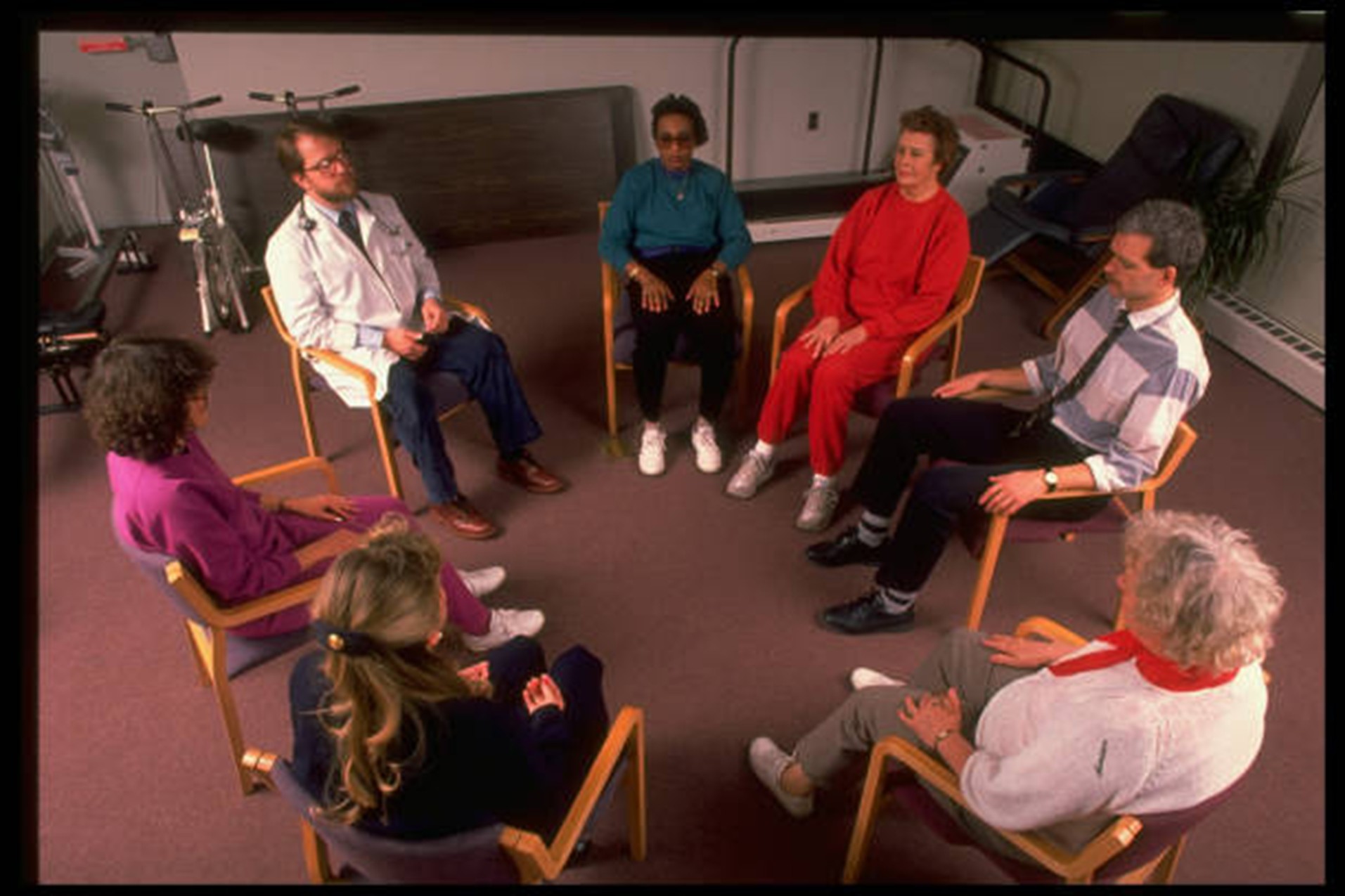
Living with a chronic illness can feel isolating, confusing, and emotionally exhausting, especially when you are trying to manage symptoms, appointments, and daily responsibilities all at once. The right chronic illness support group can offer more than encouragement; it can provide understanding, practical advice, and a safe place to be heard without judgment.
But with so many online and in-person options, choosing the best fit can feel overwhelming. This guide will help you recognize what matters most, avoid common mistakes, and find a supportive community that truly meets your emotional, social, and health-related needs.
Key Takeaways
- Choose support based on what you need right now, such as emotional help, practical tips, caregiver support, or condition-specific guidance.
- Online and text-based groups can be easier when fatigue, pain, mobility limits, or immune concerns make travel difficult.
- A safe group should have clear rules, privacy standards, active moderation, and respect for professional medical care.
- Avoid groups that pressure you to buy products, change treatment, share private details, or follow extreme advice.
- You do not have to commit right away. Observe first, join slowly, and leave any group that makes you feel less safe.
Finding Chronic Illness Support When Everything Feels Like Too Much
1. Decide What Kind of Support You Need Right Now
Before searching, ask yourself what would feel most helpful this week.
You may need emotional chronic illness support, practical disease-management tips, caregiver support, identity-based community, grief support, or a condition-specific group for illnesses like diabetes, lupus, cancer, heart disease, migraine, fibromyalgia, long COVID, autoimmune disease, or rare disease.
A condition-specific group can be useful when you want practical advice from people with similar symptoms. A broader chronic illness support group may be better when you feel alone, misunderstood, or exhausted by the overall experience of long-term illness. It can also help when you are still learning about your diagnosis, symptoms, treatment options, and possible chronic illness causes.
2. Choose A Format That Protects Your Energy
Support groups usually come in several formats: in-person meetings, virtual video groups, online forums, social media communities, text-based chats, and professionally facilitated programs.
If fatigue, pain, mobility limits, transportation, or immune risk make leaving home difficult, virtual or text-based groups may be more realistic. This can be especially helpful for people living with complex chronic conditions such as Antiphospholipid Syndrome, also known as APS.
For example, the APS Foundation of America, Inc. offers online support resources for people affected by APS and notes that the condition can feel confusing and frustrating, making it helpful to connect with others who have shared experiences.
APSFA’s support resources are a good example of how an online format can reduce barriers. Instead of requiring someone to travel to a meeting, their online support options allow patients, caregivers, and loved ones to connect from home, ask questions, and find community at a pace that may feel more manageable.
3. Look For Signs of A Safe, Well-Run Group
A strong support group usually has clear guidelines. Look for groups that explain:
- Who the group is for
- Whether it is peer-led, professionally facilitated, or clinician-led
- How privacy is handled
- Whether members are expected to keep stories confidential
- How misinformation, bullying, crisis situations, and harmful advice are managed
- Whether medical advice is discouraged unless it comes from a qualified professional
4. Start With Trusted Sources
Reliable places to search include hospitals, specialty clinics, national disease organizations, nonprofit advocacy groups, university medical centers, and government or educational health websites. These sources are more likely to provide accurate information, clear boundaries, and referrals to appropriate support options.
For example, the APS Foundation of America, Inc. is a condition-specific nonprofit dedicated to raising awareness of Antiphospholipid Syndrome, providing education and support, advancing research, and offering patient services. For someone living with APS, starting with APSFA is more logical than relying solely on random social media groups, as the organization focuses specifically on the condition and connects people to APS-related education, downloads, research updates, and online support resources.
Some trusted nonprofit groups also offer awareness campaigns, charity merchandise, or community programs that help fund education and patient support. These extras should not replace the group’s main purpose, but they can show that the organization is active in advocacy and public awareness.
5. Be Careful with Medical Advice
Support groups are helpful for lived experience, but they should not replace medical care. Be cautious if a group encourages people to stop medication, distrust all doctors, buy a miracle product, follow extreme diets, or use one-size-fits-all treatment plans.
A healthy group makes room for statements like “this helped me” without turning them into “this will cure you.”
Use support groups for connection, coping, questions to bring to your clinician, and real-life tips. Use your healthcare team for diagnosis, treatment changes, medication decisions, and urgent symptoms, as well as questions about chronic illness causes that may apply to your personal health history.
6. Try One Group Without Committing Forever
You do not have to know right away whether a group is “the one.” Attend once, read quietly, or introduce yourself briefly.
Afterward, ask:
- Did I feel respected?
- Did I leave feeling calmer, more informed, or less alone?
- Were people allowed to have different experiences?
- Was the group moderated?
- Did anyone pressure me to buy something, disclose too much, or change treatment?
- Could I realistically return when symptoms flare?
If the answer is mostly no, it is okay to leave. The wrong group can make illness feel heavier. The right chronic illness support should give you some sense of relief, even if it is small.
7. Watch For Red Flags
Leave or avoid a group if you notice:
- Pressure to purchase supplements, coaching, devices, or exclusive programs
- Shaming around medication, weight, disability aids, mental health, or treatment choices
- Dismissal of doctors, science, or emergency care
- Hostility toward new members
- No moderation in a large group
- Members sharing extreme medical advice as fact
- Frequent fear-based posts with no support or grounding
- Requests for private financial, medical, or identifying information
Support should not make you feel any less safe.
8. Make Participation Easier on Yourself
When you are overwhelmed, keep your first step small. Search for one group, save two links, or ask one provider for a recommendation. You can also prepare a simple introduction:
“Hi, I’m new here. I’m living with a chronic condition and looking for support from people who understand fatigue, uncertainty, and managing daily life.”
You are allowed to observe before sharing. You are allowed to mute notifications. You are allowed to leave without explaining.
If you want to get more involved later, some organizations offer volunteer roles, awareness campaigns, nonprofit fundraiser events, or advocacy activities. These can help people feel connected to a larger mission, but participation should always match your health, time, and energy.
9. Remember That Support Can Be Layered
One group may not meet every need. You might benefit from a condition-specific group for medical and life tips, a general chronic illness group for emotional support, a therapist for deeper processing, and a caregiver or family group for loved ones.
Support works best when it is realistic, safe, and flexible. The goal is not to find a perfect group. The goal is to find steady, chronic illness support that helps you feel less alone and better equipped to manage life one step at a time.
Conclusion
Finding the right chronic illness support group can make long-term illness feel less isolating and more manageable. The best group is not always the biggest or most active one. It is the one that feels safe, respectful, and useful for your current needs. Start small, protect your privacy, and choose spaces that value lived experience without replacing medical care. Whether you need emotional comfort, practical tips, caregiver guidance, or condition-specific help, steady support can help you feel less overwhelmed.
For APS-related education and community resources, connect with APSFA and take one small step toward support today.
FAQs
How do I know if I need a chronic illness support group?
You may benefit from a support group if you feel isolated, misunderstood, emotionally drained, or unsure how to manage daily life with your condition. Support groups can also help if you want to learn from others who have similar lived experiences.
Can a support group help if I do not have a final diagnosis yet?
Yes. Many people join general chronic illness communities while they are still searching for answers. Look for groups that welcome people with undiagnosed symptoms, complex conditions, or ongoing medical evaluations.
Should I trust medical advice from support group members?
Support group members can share personal experiences, but they should not replace professional medical advice. Always speak with your healthcare provider before changing medication, treatment plans, supplements, or major lifestyle routines.
What should I share when joining a group for the first time?
You can keep your introduction simple. Share your first name or nickname, your general situation, and what kind of support you are looking for. You do not need to share private medical details until you feel comfortable.
What if a support group makes me feel worse?
It is okay to leave or take a break. Some groups may be too intense, negative, or triggering for your current emotional state. Your support space should help you feel safer, not more overwhelmed.